
From 20 to 23 September 2026, the partners of Digital Ruralship met in Italy for the project’s second Transnational Project Meeting. The meeting brought together representatives from Spain, Poland, Finland, Latvia and Hungary and offered an important opportunity to review the work completed so far and, above all, prepare the next practical stages of the project.
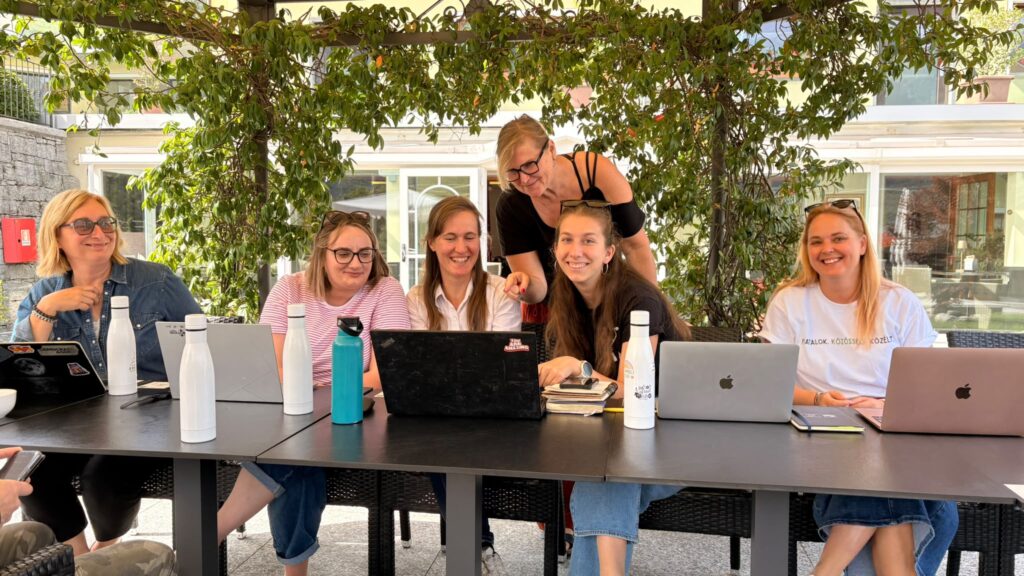

Digital Ruralship aims to explore how digital tools and virtual environments can improve youth work and create new opportunities for young people living in rural areas. During the meeting, we reviewed the conclusions of the research carried out in WP2 and discussed how these findings can now be transformed into practical activities, training opportunities and digital resources. The partners also started working on the HOP e-learning course, discussing its structure and possible content, including hardware and software, health and safety, virtual platforms, practical activities and reflections from virtual youth exchanges.
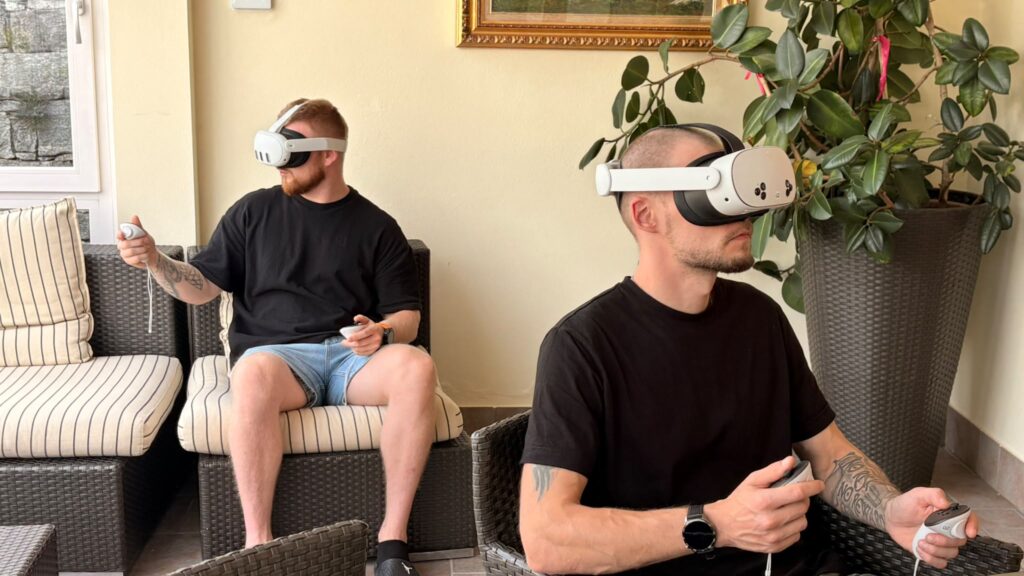
A large part of the meeting was dedicated to testing virtual reality tools and platforms. Rather than discussing VR only in theory, we put on the headsets and experimented with different possibilities, including Mazer, FrameVR, OpenBrush and other VR applications.


This represents an important step forward: we are moving from research and planning towards creating and testing a real virtual environment for rural youth work. At the same time, partners discussed how to combine VR with other digital and offline methods, ensuring that technology remains a tool for participation rather than an objective in itself. The future activities may therefore include games, debates, drawing, quizzes, treasure hunts, theatre, augmented reality and other non-formal education methods.
The meeting also allowed us to plan an exciting programme for the coming months. A five-day training course in Hungary in November 2026 will prepare youth workers to use digital and VR tools, facilitate activities and address physical and virtual safety.
The partners also developed the structure of the first Virtual Youth Exchange, which will combine international sessions in the virtual world with different learning methods and offline activities, while taking into account wellbeing and the possible effects of extended VR use.
This will be followed by an international youth mobility in Spain in February 2027 for young people aged 15–17, where the tools and activities created through the project can be further tested and improved.


The Italy meeting therefore marked an important transition for Digital Ruralship: from understanding the digital reality of rural young people to creating, experimenting and learning together. The next months will bring our virtual spaces to life, and we are looking forward to involving young people and youth workers directly in this process. Importantly, the meeting in Italy also marked the starting point of WP4 and the development of the Digital Ruralship training course on the SALTO HOP platform. The partners began defining its structure, distributing tasks and discussing common templates that can already be tested during WP3.
